Sunday, November 15, 2020

Analog Science Fiction and Fact, November-December 2020


An ok issue, but Analog would, really, really need a science editor. More and more stupid errors seem to creep in issue by issue.


Together, We Can Be More! • novelette by Juliette Wade

A space station is repurposed for several different alien species so that they can learn co-operation, their languages, habits and to make friends. Told in snippets from different (in most cases alien) viewpoints (the aliens having pretty human psyches and even languages which resemble English in structure [two personals pronouns for genders]). A bit of an overlong story with little cohesive plot. **+

This Hard World of Unwanted Beauty • novelette by Evan Marcroft

A human ship has crashed on a world where most life is apparently silicon-based ends horribly sharp and maims and kills when touched. However, somehow there are intelligent creatures, who help humans, carry them around apparently as pets, give them pieces of their flesh to eat, and parts of their skin as “cloth” (I don’t really understand the biochemistry of that). The humans consider this horribly demeaning and try to get to the emergency transmitter to get help. The aliens feel a bit anthropomorphized and chemistry is bizarre. Human behavior and attitudes feel strange, also. ***½     

A Purpose for Stars • short story by Brad McNaughton

An altruistic doctor is on an alien planet performing procedures for a condition that affects the faces of the local intelligent species. The colors on faces are used as part of local communication, so the condition which prevents that is socially debilitating. One child has a heart condition that poses a huge risk for the procedure and it is most likely the child will die from it. The mother presses for the operation. What should they do?  A pretty good but slightly short story. ***½

Ghost Strike • short story by Brenda Kalt

Down in his luck, asteroid prospector gets an offer he can’t refuse. He is supposed to find an old discarded lump of ore. He doesn’t find that but something more valuable. A problem-solving story with nothing really new. ***

Peaceweaver • short story by Marissa Lingen

An artist joins an alien race to enhance co-operation and friendship between species. How does a composer present his art to a species which has no concept of music? There is something all artists everywhere share. Reading critiques. A short entertaining story. ***

The Polar Bear Sleeps On • short story by M. Bennardo

A polar bear escapes the zoo and has moved into an upper-class apartment. The people there have died. There are food stores but they don’t last long. A well-told postapocalyptic story. I don’t get why the bear was so lethargic, though. ***-

Beloved Toiler • short story by George Zebrowski

Orson Welles’s Magnificant Ambressons is being recreated but the original footage which was thought to be lost is found - or something. The first half of the story is the history of Orson Welles and Citizen Kane and Magnificent Andersson told in more than 100-word-long sentences (no kidding, I counted). A pretty bad story; more of a history lecture and not very well told. **-  

Brought Near to Beast • short story by Gregor Hartmann

Pleistocene ecology with mammoths and dire wolves has been created in North America after ChoRen, a group that took global power and eliminated religion and superstition (and most of the humans). A game warden has lived for a long time with animals and when a veterinarian comes to visit, is gone pretty much “native”. The professionalism of them seems to be pretty bad, as the feed rhododendron leas for the mammoths - it is a poisonous plant, after all. The leader of Choren is coming to visit. A pretty clumsy and bad story with a LOT of forced exposition and explaining. **+ 

Trial and Error • novelette by Grey Rollins

A research group has landed on an alien planet with sentient aliens. The aliens are not at all interested in humans and mostly ignore them. There is a disastrous encounter where both humans and aliens end up dead. The cook of the ship has a plan for a peaceful solution, but some hotheads want revenge at almost any cost. I don’t understand why the members of a research/diplomatic mission would be horribly stupid, bigoted, and violent persons. Wouldn’t there be some sort of vetting process to weed out idiots? Otherwise a very good and well-written story. ****-

Asleep Was the Ship • short story by Eric Del Carlo

A human is working as a “breath” on an alien space ship. He stays awake as the alien pilgrims sleep while the ship passes a region of space which for some reason is harmful to the alien minds. He must watch over the sleeping alien during the transit. A few days into the journey he hears steps… is someone else there? A fairly good story, but 40 days at about half food rations (apparently there is no leeway in the food stores at all) isn’t going to kill or even seriously hurt anyone. ***½

Ashes • short story by Mario Milosevic

Hundreds of years' old woman is at her mother’s funeral, who died by suicide when she was 950 years old. They have evolved to live for a long time by conceiving from the last possible egg. The funerals are bittersweet and festive and the won powders on her own life. Otherwise a nice story, but the premise was horribly stupid. EVOLUTION DOES NOT WORK THIS WAY. The genetic set-up of a child doesn’t depend on which order the children are born. The second story with Lamarckian evolution in Analog in a short while. **-

State of Grace • short story by Clancy Weeks

An interstellar spaceship encounters a disaster mid-transit. The automatic systems can’t handle it and the ship AI wakes one passenger, an engineer who can make the repairs. The downside is that repairs will cause radiation damage which will certainly kill him from cancer in a few years. Actually, it doesn’t work like that - after a single radiation dose (which apparently doesn’t even cause severe radiation sickness) the cancer risk goes well up, but cancer is anything but a sure thing. According to the data I found, a single 1000 mSV dose, which will give you pretty bad but usually survivable radiation sickness, gives you a 1:13 risk of cancer due to radiation, and it takes years or decades. In spite of the bit shaky background, the story was very good with a nice development of the characters. ***½ 

Why Things Work on a Starship • short story by Stephen R. Loftus-Mercer

An engineer in a space ship is very good and is able to improve on the designs on the ship. The captain recognizes that but warns him of two original designs as more or less mediocre other crew wouldn't understand in a dangerous situation, but...  A nice, but short story. ***

Winter's Spring • novelette by A. P. Hawkins

A ship that has run from the Earth, which is under an alien attack has arrived at its destination. The planet they are supposed to colonize is cold - very cold. Much colder than it was supposed to be. Is it even possible to establish a colony so that the crew will be able to WAKE up the sleeping colonists? They try to establish farming, but the ground doesn’t seem to warm as it should. As a surprise discovery they find out that the frozen ground acts as a heat sink. No shit. Who would have thought? The energy needed for heating is running out. Using geothermal energy and drilling through 10 meters of frozen ground would be too demanding so they invent another approach: build gigantic wind turbines on the other side of the planet (where it is constantly windy) and use robot tractors to haul loaded batteries from there - that uses so much fewer resources! The writing is average, but the characters are stupid beyond belief. **

Enter the Fungicene • novelette by J. M. Swenson

A small group of clones are working to restore Earth. Most humans are dead; only a few cloned women have been single-mindedly worked towards their goal for thousands of generations. Vivian 2698 is an engineer (as are all her predecessors). She is known for being sometimes unorthodox and behaving in somewhat novel ways, something the other clones, who work as scientists, really don’t understand. The earth is filled with a wide variety of fungal growth. A breakthrough aiming for the reintroduction of normal plants seems to be very near, possibly in a few weeks. Like it has been for the last thousand years or so. Is there a way to turn the biosphere back to what it used to be? Or should it be done? A pretty good story, perhaps some small tightening might have made even better. ***½


Saturday, November 14, 2020

Skirmishes (Diving Universe #4) by Kristine Kathryn Rusch


The next part in the Diving Universe series. This part continues pretty much from where the former ended while there are some chapters which are flashbacks to earlier books which are now presented from another point of view. For example, we learn what happened at the Room of Lost Souls. It wasn’t as straightforward an operation as Captain Jonathon “Coop” Cooper - who was flung from the past in a working Dignity Vessel (which paradoxically is by far the most “modern” and powerful warship ever seen by any living person) - was led to believe. The “Boss”, the heroine of the earlier parts is starting to study the “graveyard”, a location in the space filled with shipwrecks, and which is protected by a forcefield. And the Empire who lost its main research base in a raid organized by “Coop” and the “Boss” is not going to stand quietly by when their “cloaking” experiments are destroyed. A very exciting book that was fast and fun to read, and it was very easy to follow in spite of several viewpoint characters and several timelines it tracked. It is a vastly better book than the plot synopsis (which sounds slightly “pulpish”) with well described and believable characters and enjoyable writing. I already purchased the next part.

326 pp.

Sunday, November 1, 2020

The Atrocity Archives (Laundry Files #1) by Charles Stross


 Laundry is a British intelligence agency that specializes in supernatural threats. There are many of those, all carefully suppressed from the public, as the truth would cause panic. It turns out that Lovecraft and his descriptions of vile creatures preying on humanity were partly correct, but vastly optimistic. But as Laundry IS a British government agency, it takes proper bureaucratic procedures very seriously and paper clip audits are not unheard of. A new member of the organization is sent on a mission to the USA. He encounters a beautiful mathematical researcher, whose research might have supernatural significance. The supernatural world is contacted with a mix of mathematics and computers. Previously spells and such had some components right by accident which made them work in a haphazard way, at least sometimes. So, a good knowledge of both routers and some higher math is essential while trying to stop summoned devils and such, or defuse an occult plan the Nazis started during the second world war. Included in the book is a novella about using Medulla’s look, which turns everyone to stone on camcorders.  A pretty good and fun book with a nice mixture of comedy and horror. The writing was pretty good and the characters were engaging. I would like to read the other parts sometime in the future – in the next ten years or so when there is enough time.   


345 pp. 

Celeste Ng: Tulenarkoja asioita (Little Fires Everywhere)


Elena Richardson elää täydellisessä amerikkalaisessa lähiössä, jossa kaikki on kaunista ja talot sopivat toisiinsa, ihmiset ovat onnellisia ja ystävällisiä. Tai ainakin tämä on julkisivu. Elena vuoraa ylimääräisen huoneistonsa yksihuoltaja Mia Warrenille, jolla on teini-ikäinen tytär Pearl. Elena lapset ja Pearl ystävystyvät nopeasti. Mia Warren on valokuvaaja. Nähtyään mielenkiintoisen valokuvan Mian luona pikkulehden rivitoimittajana toimiva Elena alkaa selvitellä Mian taustaa. Taustalta sitten löytyy varsin kiinnostavia asioita. Samaan aikaan Elenan lapsilla ja Pearlilla on monennäköistä teinisäätöä, oka ei hirveän kiinnostavalta pääosin kirjan aiheena vaikuta.

Kirjan alku on varsin hidas, kun henkilöt tutustuvat toisiinsa ja samalla heitä esitellään lukijalle. Siten, kun paljastuu, että tyynen pinnan alla on monella jotain salattavaa tai jopa tiedostamatonta kirja muuttuu kiinnostavammaksi.

Ihan valtavan suurta vaikutusta kirja ei antanut, se tuntui hiukan tavanomaiselta ihmissuhteita käsittelevältä kirjalta. Miehet kirjassa oli kuvattu mielestäni aika huonosti, Elena puolison näkökulmaa asioihin jäin kovasti kaipaamaan, hän oli erittäin vahvasti vain taustalla oleva hahmo. Kielellisesti tarina oli hyvin kerrottu, ilman liikoja hienostelevia koukeroita. Hiukan jäi loppujen lopuksi tyhjä olo: tässäkö tämä nyt oli? Mitään varsinaisen uutta ja radikaalia kirjassa ei ollut, vaan se oli ”pikkusievä” ihan kiva teos. Yhden kummallisuuden huomasin, en tiedä onko kääntäjän vai kirjailijan numeron käsityskyvyssä vai mistä on kiinni: Erään tarjoilijan työskentelevä henkilön kerrottiin ansaitsevan tarjoilijan työstään vain tarjoilijan minimipalkan 2.35 dollaria + juomarahat ja työskentelevän 50 tuntia viikossa, jolloin hänen kuukausitulonsa jäävät 317.50 dollariin. Nuo luvut eivät ole mitenkään järkeviä, ovatko juomarahat negatiivisia, vai?

The book tells about a perfect little town where perfect, and perfectly behaving, and perfectly open-minded people live. When a photographer single mom, Mia, and her teenage daughter move into a small apartment rented by Elena, a woman working in a small paper, things become ruffled. The daughter, Pearl, makes friends with Elena’s children. When Elena starts to study Mia’s past, secrets are revealed.  An OK book which takes its time to get going, and some, felt fairly ordinary and a bit lukewarm. The writing was smooth and easy to read. There was a severe problem with math at one point, either there was a severe translation error or the author doesn’t handle basic calculations.


384 pp


Wednesday, October 28, 2020

Leena Lehtolainen; Viattomuuden loppu (Maria Kallio #14)


 Maria Kallio-sarjan kirja. 

Pikkupoikien seksuaalisesta hyväksikäytöstä vankilassa ollut nainen murhataan samana päivänä, kun hän vapautui vankilasta. Onko syyllinen joku hänen uhreistaan tai uhrien omainen? Uhreista yksi on tehnyt itsemurhan, toinen asuu Espanjassa ja muilla näyttäisi olevan varsin hyvät alibit. Lähistöllä tunnetun laulajan ex-vaimo, joka oli toiminut pitkään perhepäivähoitajana, tekee itsemurhan. Onko näillä tapauksilla jotain yhteyttä keskenään?

 Kirja oli ihan kohtalainen, sen alkupuoli on hitaahko ja lopussa sitten vauhtia tuli ihan riittävästi. Kirjassa on useampia ihan tolkuttoman epätodennäköisiä sattumia, eikä kahden kuolemantapauksen yhdistämisessä toisiinsa ei ollut vähäisintäkään logiikkaa. Toinen on käyttänyt esimurrosikäisiä poikia hyväkseen, toinen on toiminut vuosia sitten perhepäivähoitajana, tietenkin viisas Maria Kallio heti keksii, että asiat saattavat liittyä toisiinsa. Hah hah. Myös se, että hyväksikäytetty poika ihan sattumalta sattuu netistä löytämään oman kuvansa pornosivustolta ja vielä hyvin nopeasti sen jälkeen, kun sinne oli ladattu, oli sen verran suuri sattuma, että oletin asian liittyvän jotenkin juoneen, mutta ei, tämä oli oikeastikin sattuma, mitäs siitä, että todennäköisyys olisi noin 1:100 miljoonaan. 

Maria Kallio ei jostain syystä ei myöskään näytä olevan perillä suomalaisesta kotietsintäluvista, eli siitä, että sellaista ei pääsääntöisesti tarvita. Ruumiinavauksia koskevissa asioissa ehkä olisi voinut konsultoida jotain asiasta tietävää: ei ruumiinavauksessa pysty näkemään aikaisempia abortteja ja veren hiilidioksidipitoisuuden määritys olisi hieman haasteellista, sillä myrkytyskuolemassa tukehtuminen ja hengityksen lamaantuminen on yleensä se viimekäden kuolinsyy ja hiilidioksidi koholla joka tapauksessa. 

Sinällään kyseessä oli kuitenkin ihan viihdyttävä kirja nopealukuinen, ainakin jos ei liikaa mieti asioita tai edellytä suurta loogisuutta tapahtumilta. 


Part of the series involves police inspector Maria Kallio, a female police who runs a police department specializing in serious crimes. This time, a female sexual abuser of young boys is strangled on the same day she was released from the prison. Was one of her victims responsible? They all seem to have had good alibis. Who even knew she was released? This is a fairly smoothly running book, though the first third was fairly slow. There were some irritating stupidities; for example, Maria Kallio seems to believe that the rules of search warrants in Finland are about the same as in the US.   


464 pp. 


Saturday, October 10, 2020

Robin Hobb: Kuninkaan salamurhaaja (The Farseer Trilogy #2)


The second part of the trilogy. After the events at the end of the first part, Fitz, the bastard assassin, is barely alive. It takes a long time to recuperate, and even then everything seems to go in a worse direction. The king is ailing, the prince is second in line to the throne; he seems to be plotting to steal the crown, and the pirate attacks and outbreaks of zombie-like creatures are spreading. And then things go worse. And then even worse.

The book is about as good as the first part. The writing is good, but pretty loose and the story could have been told at least as well in a thinner book. But Fitz was left in such a tight spot at the end, that reading the next book (fairly soon) is pretty compulsory.


Toinen osa Robin Hobbin tunnettua trilogiaa. Äpärä, salamurhaaja, Fitz selvisi edellisestä kirjasta hengissä vain nipin napin. Hänen toipumiseensa kuluu aikaa ja hän palaa linnaan väsyneenä ja katkerana. Linnassa sillä aikaa kuninkaan vointi on heikentynyt ja silloin kun hän suostuu ja jaksaa Fitzin tapaamaan, hän on uupunut ja poissaoleva - ja kruununtavoittelija Vallan kätyrit ovat aina lähellä. Kun zombiemaiset ahjotut lisäävät hyökkäyksiään, kruununprinssi Totuus lähtee epätoivoiselle matkalle etsimään apua. Tänä aikana prinssi Valta lisää valtaansa, väittää linnan talouden olevan perikadossa ja myy ja siirtää pois kaiken liikenevän parhaita jalostusoreja ja huonekaluja myöten. Samalla hyökkäykset lähestyvät linnaa ja näyttää siltä, että varoitukset eivät tule perille niin kuin olisi tarkoitus…

Tarina jatkuu aika samantapaisena kuin aikaisemmassakin kirjassa. Fitzillä ei tässäkään kirjassa mene hyvin ja kirjan lopussa hän on jopa huonommassa kunnossa kuin edellisen kirjan lopussa. Kielellisesti kirja oli hyvin luettavaa, kohtalaisen vetävää, tekstiä, mutta sivumäärässä olisi kyllä ollut varaa hiukan supistaa ja tapahtumissa olisi ollut tiivistämisen varaa ihan reilusti. Eikä Fitz jotenkin ihan kaikkein fiksuimman sankarin vaikutelmaa kyllä anna.

Eiköhän se viimeinenkin osa tätä ensimmäistä trilogiaa pidä pikapuoliin kuitenkin lukea, sen verran ikävä tilanne Fitzille jäi, että on kiinnostavaa nähdä miten hän tästä tulee selviämään.

768 pp.

Saturday, October 3, 2020

Jarkko Sipilä: Tappokäsky (Takamäki #2)


Äänikirjana automatkoilla kuunneltu teos. Toinen osa komisario Takamäestä, Helsingin kaupungin murharyhmän johtajasta, kertovasta sarjasta. Tällä kertaa huumejutun jäljillä olevat poliisit kuulevat puhelinkuuntelussa aivan selvän murhakäskyn. Valitettavasti vain ei ole kunnolla tiedossa kuka puhuu kenelle ja kuka on murhakäskyn kohde, kuuntelu kun pohjautuu puhelinnumeroon, jota tiedetään huumekaupassa käytetyn. Siitä, kenen se on, ole mitään tietoa. Ei kestä pitkään kun löytyy ei vain yksi, vaan kaksi ruumista, jotka on tapettu telotustyyliin. Kärsivällisen poliisityön pohjalta vähitellen poliisi saa selville kuka on välitön syyllinen ja kuka antoi tappokaskyn. 

Ehkä jonkin verran sujuvammin etenevä kirja kuin sarjan ensimmäinen osa. Tässä oli ehkä vähän vähemmän kirjailijan omia kommentteja poliisiin ja politiikkaan liittyen. Myös tämä osa oli kovin kliininen ja poliisien yksityiselämää ei juuri sivuttu, vaan pääpaino oli vahvasti tarkassa lähes dokumentaarisessa peruspoliisityön realistiselta vaikuttavassa kuvauksessa.  


The narcotic division of the Helsinki police hears a clear order of murder while listening to a phone line that is known to be used for trading drugs. Unfortunately, the police don’t know who is speaking to whom, and who is the person who is supposed to be murdered. So, there is little police can do, until not one, but two bodies are found. As both are shot execution-style, it seems like the bodies and the recorded conversation are connected. After a lot of police work, which is described almost in a documentary style, the culprits are caught. A nice book. The emphasis is on the description of how the police work rather than the quirky personalities of the officers.    


317 pp

Thursday, October 1, 2020

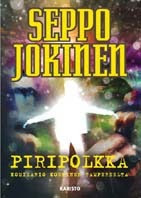
Seppo Jokinen: Piripolkka (Koskinen #7)


Tämä komisario Koskinen oli jäänyt jotenkin väliin - kaikki muut sarjan kirjan viimeisintä lukuun ottamatta olen lukenut. Kirja oli suhteellisen alkupään teoksia, eikä kyllä laadultaan ole myöhemmän tuotannon tasoista. Kirjassa nuorista koostuva huumejengi pahoinpitelee vanhuksen, varastaa tältä auton ja lopulta polttaa tämän auton. Porukka on siinä määrin pöhnässä, että auton sytyttäjä onnistuu polttamaan itsensä pahasti ja teholle. Muu sakki päätyy yöksi putkaan ja kuulustelun jälkeen päästettiin vapaalle jalalle. Koko tapausta ajateltiin aluksi tavanomaiseksi huumeporukan sekoiluksi, mutta sitten yksi porukkaan kuuluneista tytöistä löytyy kuoliaaksi puukotettuna. Tämä ehkä olisi ollut vielä sattuma, mutta kun toinenkin porukasta kuolee, alkaa näyttää siltä, että jotain tavallisuudesta poikkeavaa on menossa. 

Kirja ei ollut sarjansa parhaita. Kieliasullisesti se oli ehkä hieman kankeampaa kerrontaa kuin sarjan loppupää, eikä juonikaan sarjan huippuihin sijoittunut. Huumeporukan toiminta oli äärimmäisen kliseistä ja epäuskottavaa: kannabiksesta tulee satunnaiskäytöstä voimakkaat himot ja vieroitusoireet muutaman käyttökerran jälkeen, ja porttiteoria kannabiksesta injektioaineisiin toimii lähes väistämättömään tapaan muutamissa viikoissa. 

An older Inspector Koskinen book, where the detectives of the Tampere police are trying to find out why two teenagers who were members of a “gang” which was experimenting with drug use were murdered. Not as good as the later books. The book has a very cliched description of drugs where users get very dependent on weed after only a few times. The writing isn’t as fluent, either, as the later parts. 

330 pp.